

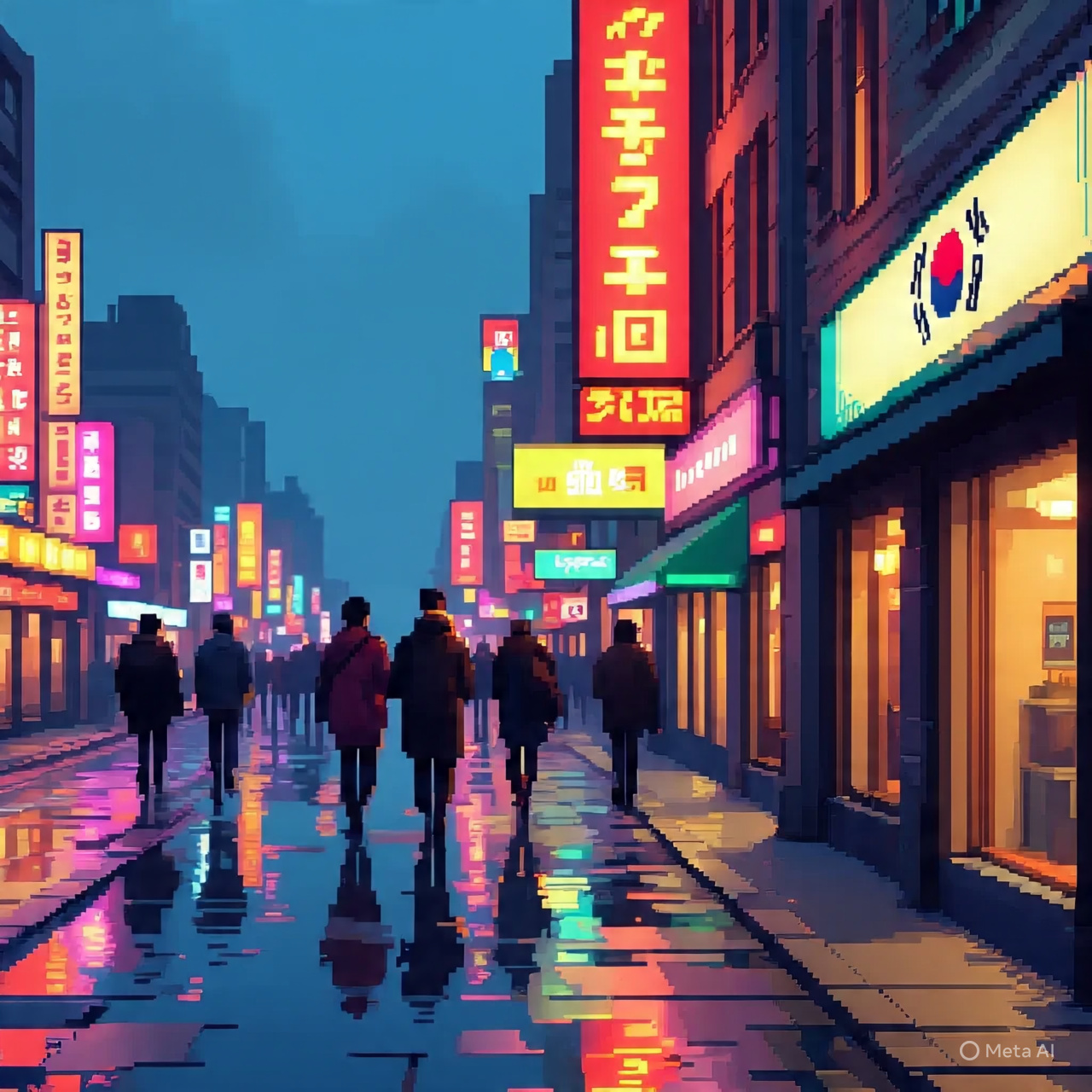
South Korea is a captivating destination that blends ancient traditions with futuristic technology, stunning natural landscapes with bustling cityscapes, and a vibrant pop culture that has taken the world by storm. For Indian tourists, it offers a truly unique and enriching experience.
Here’s a comprehensive guide to planning your South Korea tour:
1. Best Time to Visit:
South Korea experiences four distinct seasons, each offering a different charm:
* Spring (March to May): Considered the best time to visit. This season brings mild temperatures, clear skies, and spectacular cherry blossoms (especially in late March to early April). It’s perfect for outdoor activities and sightseeing.
* Autumn (September to November): Another excellent time to visit. The weather is pleasant and crisp, with vibrant fall foliage painting the mountains and parks in stunning reds and golds. Ideal for hiking and photography.
* Summer (June to August): Hot and humid, with a rainy season (jangma, or East Asian Monsoon) from late June to July. While it’s generally less crowded, the heat can be intense. It’s a good time for coastal areas and islands like Jeju.
* Winter (December to February): Cold, with temperatures often dropping below freezing and occasional snowfall. Ideal for winter sports enthusiasts (skiing, snowboarding) in areas like Pyeongchang. Cities are still vibrant with festive lights.
2. How Many Days for a South Korea Trip?
* Short Trip (4-5 days): Focus on Seoul, covering major landmarks, cultural sites, and a taste of its modern vibe.
* Standard Trip (7-8 days): Recommended for first-timers. This allows you to explore Seoul thoroughly and add one or two other key destinations like Busan or Jeju Island.
* Extended Trip (9-12+ days): Ideal for those who want to delve deeper, perhaps including Gyeongju, more rural areas, or combining with a trip to Japan.
3. Tourist Visa for Indian Citizens:
Indian citizens require a visa to enter South Korea. The type of visa you need depends on your purpose and duration of stay. For tourism, a short-term general C-3 visa is typically required.
Key requirements usually include:
* Valid Passport: With at least six months validity remaining.
* Visa Application Form: Duly filled and signed.
* Passport-sized Photographs: Recent ones, as per specifications.
* Confirmed Round-trip Flights: Proof of onward or return travel.
* Confirmed Hotel Bookings/Accommodation Proof: For your entire stay.
* Financial Proof: Bank statements for the last 6 months, income tax returns for the last 2 years, salary slips, etc., to prove sufficient funds.
* Employment/Occupation Proof: Letter from employer, business registration, student ID, etc.
* Detailed Itinerary: A day-by-day plan of your trip.
* Health Condition Form: May be required.
Visa Processing Time: Typically around 5-10 working days, but it’s always advisable to apply well in advance (at least 3-4 weeks before your intended travel date), especially during peak seasons. Visa fees for a single-entry visa for 90 days are around INR 3,300 (as of current information, check for latest updates).
4. Must-Visit Places and Attractions:
A. Seoul (The Dynamic Capital):
* Gyeongbokgung Palace: The largest and most beautiful of the five grand palaces built during the Joseon Dynasty. Don’t miss the changing of the Royal Guard ceremony.
* Bukchon Hanok Village: A traditional Korean village with beautifully preserved hanok (traditional houses) nestled between Gyeongbokgung and Changdeokgung Palaces. Rent a hanbok for an immersive experience.
* N Seoul Tower (Namsan Tower): Offers panoramic views of the city. Great for couples (love locks) and photography.
* Myeongdong: A bustling shopping district famous for cosmetics, fashion, and street food.
* Hongdae: Known for its vibrant youth culture, indie music, street art, and trendy cafes.
* Gangnam: The upscale district, famous for its luxury shopping, entertainment, and the iconic “Gangnam Style” statue. Visit the COEX Starfield Library.
* Dongdaemun Design Plaza (DDP): A futuristic architectural landmark hosting design events, exhibitions, and fashion shows.
* DMZ (Demilitarized Zone): A unique and poignant experience to understand the history of the Korean War and the division of the peninsula. Requires a guided tour.
* Lotte World: A massive amusement park with both indoor and outdoor sections.
* Nami Island: A beautiful, crescent-shaped island famous for its tree-lined paths, popular for K-drama filming locations (e.g., Winter Sonata). Often combined with Garden of Morning Calm or Petite France.
B. Busan (Coastal Charm):
* Gamcheon Culture Village: A vibrant, colorful “Santorini of Korea” with quirky art installations and narrow alleys.
* Haeundae Beach: One of South Korea’s most famous beaches, popular in summer.
* Haedong Yonggungsa Temple: A rare Buddhist temple located on the coastline, offering stunning sea views.
* Jagalchi Fish Market: South Korea’s largest seafood market, a sensory experience.
C. Jeju Island (Nature’s Paradise):
* UNESCO World Heritage Site: Known as the “Hawaii of Korea,” a volcanic island with unique geological features.
* Seongsan Ilchulbong Peak (Sunrise Peak): A volcanic crater offering breathtaking sunrise views.
* Hallasan National Park: Home to South Korea’s highest mountain, offering various hiking trails.
* Manjanggul Cave: A lava tube, one of the finest in the world.
* Jeongbang Waterfall: A unique waterfall that plunges directly into the ocean.
D. Gyeongju (Ancient Capital):
* UNESCO World Heritage City: Known as the “museum without walls,” filled with ancient temples, royal tombs, and historical sites from the Silla Dynasty.
* Bulguksa Temple & Seokguram Grotto: Masterpieces of Buddhist art and architecture.
* Anapji Pond: A beautiful artificial pond that served as a royal recreational area.
E. Other Notable Places:
* Jeonju Hanok Village: Another well-preserved traditional village, famous for its food, especially bibimbap.
* Pyeongchang: Known for its ski resorts and as the host of the 2018 Winter Olympics.
5. Estimated Tour Cost from India (per person):
The cost of a South Korea tour from India can vary significantly based on the duration, type of accommodation, activities, and flight choices. Here’s an estimated range for a 7-8 day trip:
* Budget Trip: INR 80,000 – 1,20,000 (approx. USD 960 – 1,440)
* Includes: Economy flights, hostels/budget hotels/guesthouses, street food/local eateries, public transport.
* Mid-Range Trip: INR 1,30,000 – 2,00,000 (approx. USD 1,560 – 2,400)
* Includes: Full-service flights, 3-4 star hotels, a mix of local and casual dining, some organized tours/excursions, KTX (bullet train) travel.
* Luxury Trip: INR 2,50,000+ (approx. USD 3,000+)
* Includes: Premium flights, 5-star hotels/resorts, fine dining, private transfers, curated experiences, potentially domestic flights within Korea.
Cost Breakdowns (approximate per person):
* Flights (Round Trip from India to Seoul):
* Economy (direct/connecting): INR 40,000 – 70,000 (Varies heavily by airline, booking time, and layovers).
* Accommodation (per night):
* Hostels/Guesthouses: INR 1,500 – 3,000
* Mid-Range Hotels (3-4 star): INR 4,000 – 8,000
* Luxury Hotels (5-star): INR 10,000 – 25,000+
* Food:
* Street Food: INR 300 – 800 per meal
* Local Restaurants: INR 800 – 1,500 per meal
* Casual BBQ Restaurants: INR 1,500 – 3,000 per person
* Cafes: INR 500 – 1,000
* Local Transportation (Seoul):
* T-Money Card (rechargeable): Highly recommended for metro and bus.
* Metro rides: INR 80 – 150 per ride.
* Taxis: More expensive, but good for short distances or late nights.
* KTX (High-Speed Rail): For inter-city travel (e.g., Seoul to Busan), can cost INR 3,000 – 6,000 one way.
* Sightseeing & Activities:
* Palace Entry: INR 200 – 400
* N Seoul Tower: INR 1,000 – 1,500
* DMZ Tour: INR 5,000 – 8,000
* Amusement Parks (Lotte World/Everland): INR 3,000 – 5,000
* Nami Island (entry + ferry): INR 1,000 – 1,500 (excluding transport to Gapyeong)
6. Essential Travel Tips:
* Currency: South Korean Won (KRW). Credit cards are widely accepted, but it’s good to carry some cash, especially for smaller shops or traditional markets.
* Language: Korean. While English is spoken in major tourist areas and by younger generations, having a translation app or learning a few basic Korean phrases (e.g., “Annyeonghaseyo” – Hello, “Kamsahamnida” – Thank you) will be very helpful and appreciated.
* Connectivity: Purchase a local SIM card or rent a portable Wi-Fi device (egg) at Incheon Airport for seamless internet access.
* Public Transportation: South Korea has an excellent and efficient public transportation system (metro, buses, KTX trains). Use apps like Naver Maps or KakaoMap for navigation. Google Maps has limited public transport info in Korea.
* Food: Korean cuisine is a highlight! Don’t miss out on BBQ, bibimbap, kimchi, tteokbokki, gimbap, and various stews. Explore street food markets.
* Shopping: From high-end luxury to trendy fashion, cosmetics, and K-Pop merchandise, South Korea is a shopper’s paradise.
* Tipping: Tipping is generally not customary in South Korea.
* Etiquette:
* Bow slightly when greeting or showing respect.
* Remove your shoes before entering homes, traditional restaurants, and some temples.
* Use two hands when giving or receiving something (especially from elders).
* Avoid loud conversations in public transport.
* Safety: South Korea is one of the safest countries in the world.
* Plug Type: Type F (like in most of Europe) and Type C. Bring a universal adapter.
South Korea offers an enriching journey, whether you’re a K-Pop fan, a history buff, a nature lover, or a foodie. Enjoy your “Seoul-ful” adventure!


Leave a Reply